
What Paperwork Do You Need Ready as a First-Time Buyer?
Buying your first home can feel overwhelming, especially when you start hearing about the amount of paperwork involved. For many first-time buyers, uncertainty around documents and requirements can add unnecessary stress to an already complex process.
Having the right paperwork ready early can make the journey smoother, help avoid delays, and give you a clearer picture of where you stand financially before you begin house hunting.
Why Does Paperwork Matter When Buying Your First Home?
Lenders, solicitors, and other parties involved in the home-buying process rely on paperwork to verify identity, assess affordability, and meet legal and regulatory requirements.
Being organised from the outset means:
Fewer delays once you find a property
Clearer expectations around affordability
A smoother mortgage and legal process
It can also help you feel more confident and prepared as a first-time buyer.
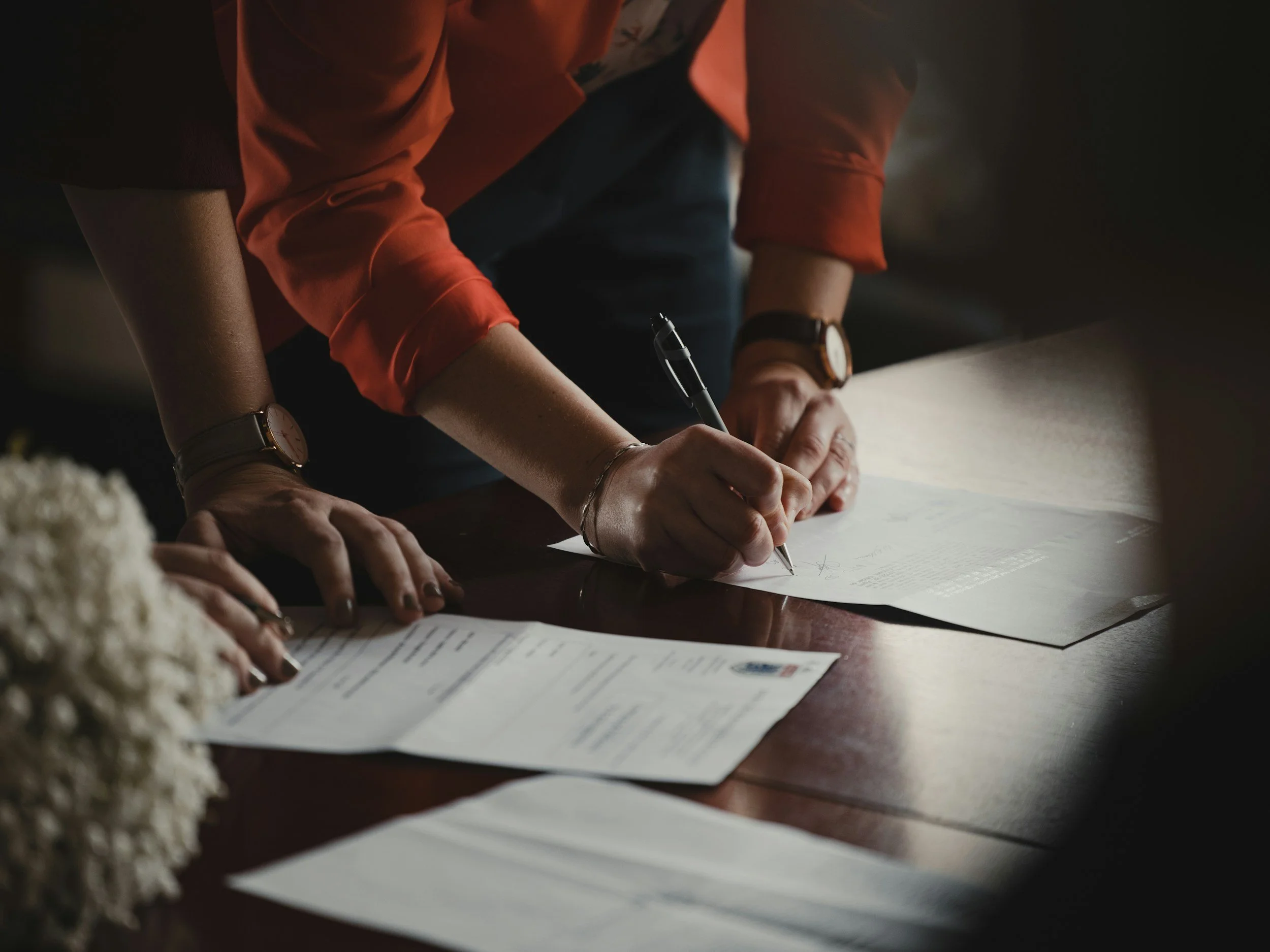
What Identification Do You Need to Provide?
To meet legal requirements, you will need to provide proof of identity. This typically includes:
A valid passport or driving licence
Proof of address, such as a recent utility bill or bank statement
Documents usually need to be current and clearly show your name and address. Solicitors and lenders may ask for original documents or certified copies.
What Financial Documents Will Lenders Ask For?
Mortgage lenders need to understand your income and financial commitments. Commonly requested documents include:
Recent payslips, often covering the last three months
P60s or tax returns if you are self-employed
Bank statements showing income and regular outgoings
Details of existing credit commitments
These documents help lenders assess affordability and understand how a mortgage would fit within your overall finances.
Do You Need Proof of Your Deposit?
Yes. Lenders and solicitors will usually ask for evidence showing where your deposit has come from.
This may include:
Savings statements
Proof of gifted deposits from family members
Evidence of funds from a Lifetime ISA or other savings products
Providing clear documentation helps meet anti-money laundering requirements and can prevent delays later in the process.

What Paperwork Is Required by Solicitors?
Once you instruct a solicitor or conveyancer, they will request paperwork to carry out legal checks. This often includes:
Proof of identity and address
Details of the property purchase
Information about the source of funds
Signed forms and contracts at different stages
While some paperwork may feel repetitive, it is a necessary part of transferring property ownership.
Are There Any Other Documents Worth Preparing?
Some additional documents can be helpful to have ready, such as:
A summary of your monthly budget
Records of rent payments
Details of insurance policies required by lenders
Having these to hand can make conversations with lenders and solicitors more straightforward.
You may find it useful to explore other first-time buyer guides on the IPFA blog, which explain different stages of the mortgage and buying process in more detail.
Final Note
Paperwork is an unavoidable part of buying your first home, but being prepared can make a noticeable difference. By gathering key documents early, first-time buyers can reduce delays, feel more in control of the process, and approach their purchase with greater confidence.
Frequently Asked Questions
How early should I start preparing paperwork?
Many buyers start gathering documents before speaking to lenders or viewing properties, which can help speed things up later.
Do documents need to be originals?
This depends on who is requesting them. Some organisations accept digital copies, while others may require originals or certified versions.
What if my documents are out of date?
You may be asked to provide updated versions, particularly for proof of address or bank statements.
Do gifted deposits require extra paperwork?
Yes. Lenders often request a formal declaration confirming the money is a gift and not a loan.
Will paperwork differ if I am self-employed?
It can. Self-employed buyers are often asked for additional income evidence, such as tax returns or accounts.